





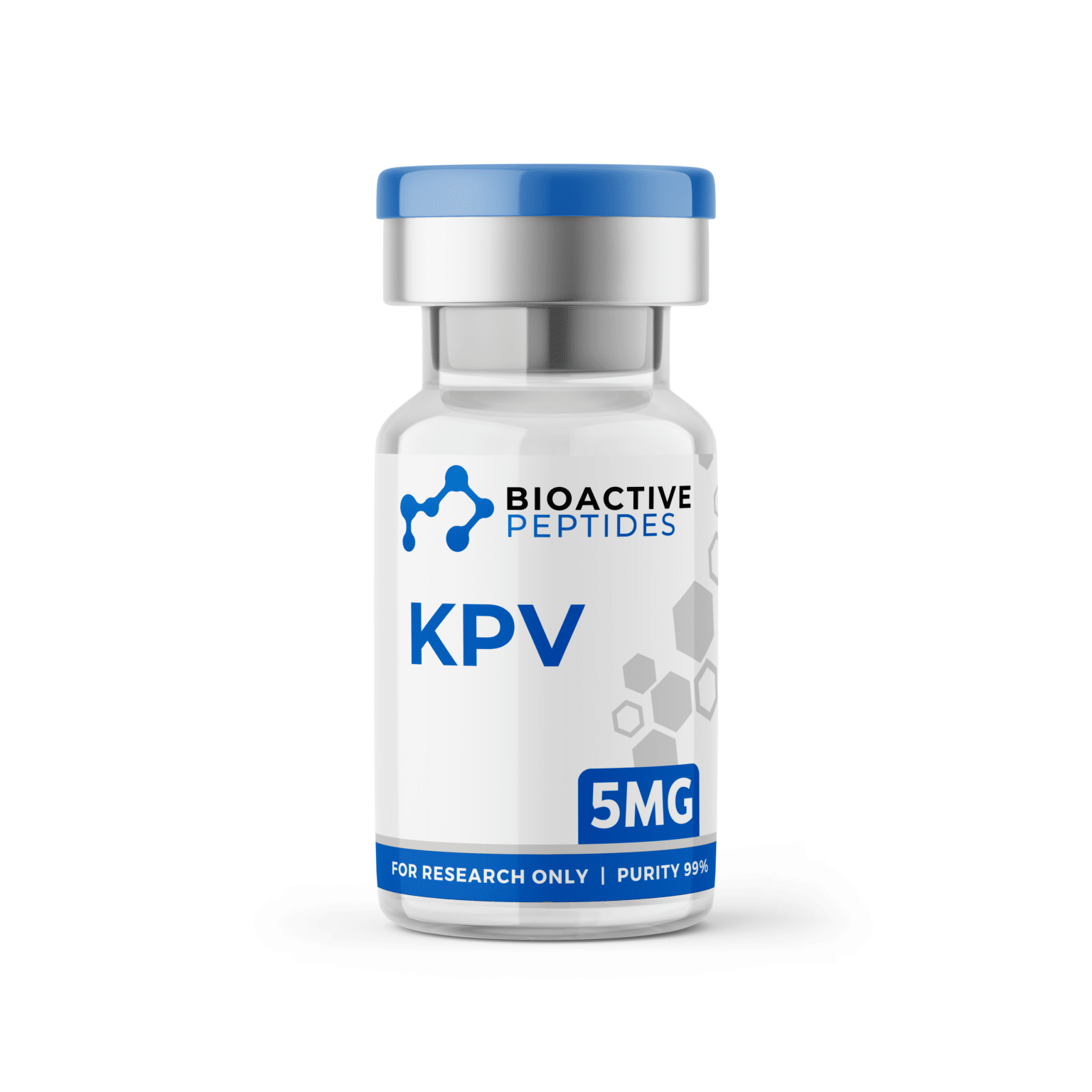
KPV (Lysine-Proline-Valine) – 5mg
Overview
KPV is a naturally occurring tripeptide fragment derived from alpha-melanocyte stimulating hormone (α-MSH). In scientific research, it is primarily studied for its potential role in inflammation regulation, immune signaling pathways, and gastrointestinal barrier function.
This 5mg formulation is designed for laboratory research requiring consistent purity and controlled experimental dosing.
What is KPV?
KPV is a short-chain peptide composed of three amino acids: Lysine (K), Proline (P), and Valine (V). It is studied in preclinical research due to its interaction with inflammatory signaling pathways and immune-related biological processes.
In laboratory environments, KPV is commonly investigated for its role in:
- Inflammatory response signaling
- Immune system modulation pathways
- Gastrointestinal barrier integrity research
- Cellular stress response models
- Cytokine activity regulation studies
Key Research Applications
Inflammation Research Models
KPV is widely studied for its potential influence on inflammatory signaling cascades in controlled laboratory settings.
Immune System Pathway Studies
Researchers examine how KPV interacts with immune signaling mechanisms, particularly cytokine-related responses.
Gastrointestinal Barrier Research
It is frequently included in studies investigating gut lining integrity and epithelial barrier function.
Cellular Protection Research
KPV is used in models analyzing how cells respond to inflammatory stress and maintain homeostasis.
Product Specifications
- Compound: KPV (Lysine-Proline-Valine)
- Strength: 5mg per vial
- Form: Lyophilized (freeze-dried) powder
- Purity: Research-grade (typically ≥99%)
- Storage: Refrigerate after reconstitution (2–8°C standard lab conditions)
- Use: Laboratory research only
Handling & Storage Guidelines
To ensure peptide stability in research environments:
- Store sealed vials in a cool, dry place
- Avoid exposure to heat, light, and moisture
- Reconstitute using sterile laboratory techniques
- Follow standard peptide handling protocols



Reviews
There are no reviews yet.