





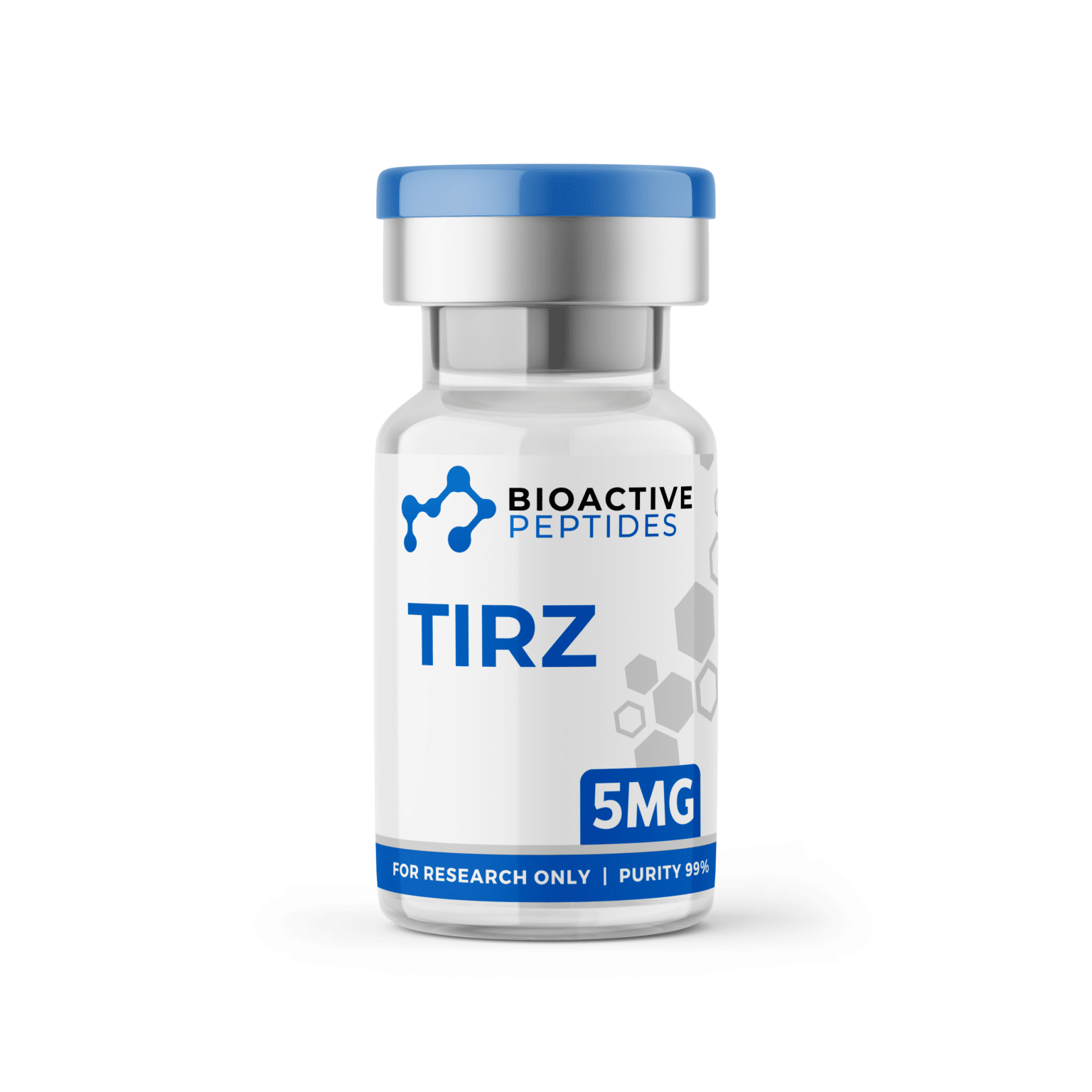

Tirz – 5mg (Tirzepatide)
Overview
Tirzepatide, commonly referred to as “Tirz,” is a prescription medication that belongs to a class of dual glucose-dependent insulinotropic polypeptide (GIP) and glucagon-like peptide-1 (GLP-1) receptor agonists.
It is primarily used in clinical medicine for the management of type 2 diabetes and is also prescribed in some regions for chronic weight management under medical supervision.
What is Tirzepatide?
Tirzepatide is a synthetic peptide-based medication that mimics the action of natural incretin hormones in the body. These hormones play a key role in:
- Regulating insulin secretion
- Controlling blood glucose levels
- Supporting appetite and satiety signaling
- Influencing metabolic rate and energy balance
By activating both GIP and GLP-1 receptors, tirzepatide provides a dual mechanism of action that distinguishes it from older single-pathway therapies.
Key Clinical Applications
Type 2 Diabetes Management
Tirzepatide is prescribed to improve glycemic control in adults with type 2 diabetes as part of a comprehensive treatment plan including diet and exercise.
Metabolic Regulation Research
It is also studied in clinical research settings for its effects on insulin sensitivity, appetite regulation, and energy metabolism.
Mechanism of Action
Tirzepatide works by activating two important metabolic pathways:
- GLP-1 receptor activation: Enhances insulin secretion, slows gastric emptying, and increases satiety
- GIP receptor activation: Improves insulin response and may contribute to metabolic efficiency
This dual-action mechanism is a key reason for its clinical effectiveness in glucose and weight-related outcomes.
Form & Strength
- Compound: Tirzepatide
- Common Strength Reference: 5mg
- Form: Injectable solution (prescription formulation)
- Administration: Subcutaneous injection under medical supervision
- Status: Prescription-only medication
Important Safety Information
Tirzepatide should only be used:
- Under supervision of a licensed healthcare provider
- According to approved prescribing guidelines
- With appropriate monitoring for side effects and response
Possible side effects may include gastrointestinal symptoms such as nausea, reduced appetite, or digestive discomfort.










Reviews
There are no reviews yet.